From 42 to 121 Organic Clicks in Three Months: A Local SEO Case Study for a South West England Electrician
Organic clicks rose from 42 to 121 over three months (+188%), and search impressions surged from 5.31K to 20.7K (+290%). The timing closely aligns with the technical and on-page interventions that rolled out approximately ten weeks prior to the data collection date.

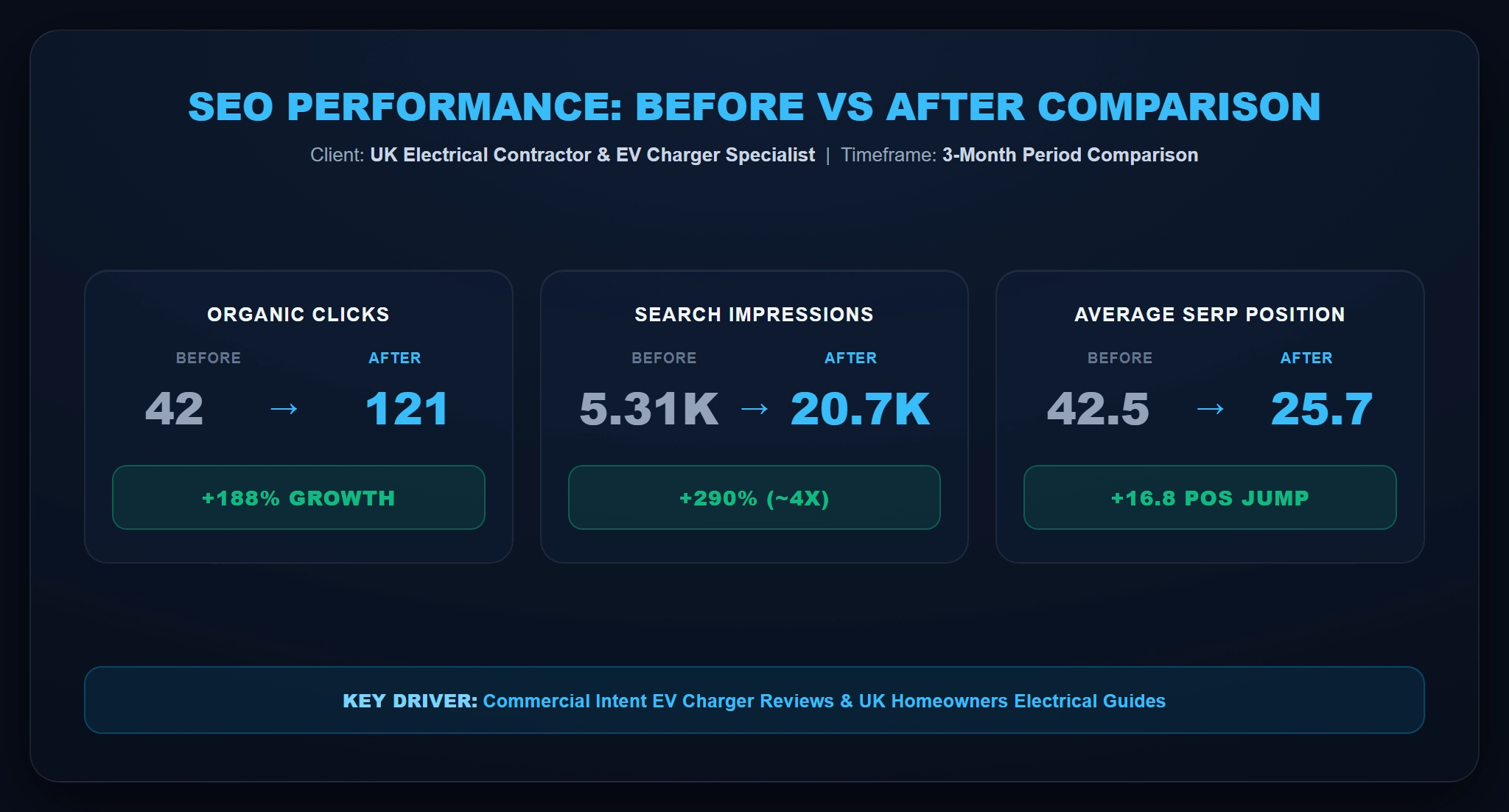
Figure 1: Google Search Console, last 3 months versus previous 3 months.
This electrician’s website was virtually invisible on Google. Sitting at an average position of 42.5 (around page five), prospective homeowners searching for emergency repairs and EV charger installations simply could not find it. In the first month, I audited the domain, resolved critical crawling blockers, restructured more than ten landing pages, and wrote tailored local FAQs for key regional service pages. A colleague executed the supporting foundational links and citations.
Clicks nearly tripled over three months. Even so, 121 clicks over three months averages to about one targeted visitor a day, showing that the site is in the early compounding phase of its climb. The client’s primary objective was straightforward: he wanted qualified phone inquiries and emergency call-outs from local property owners within his primary service territory.
What did the site look like before the work?
The business had a functional WordPress website, but virtually non-existent organic traffic. In the previous three months, the entire domain registered just 42 clicks and 5.31K impressions across all search terms. My initial audit exposed immediate red flags that hindered conversion and search indexing:
-
Damaging Trust Signals: The homepage counters displayed "0 Years Experience". Prospective customers interpreted this as an unverified or inactive contractor.
-
Missing Home Town Landing Page: Remarkably, the website had no dedicated service landing page for the client's home base—the exact city where most high-margin call-outs and EV installations originate.
-
Boilerplate Location Duplicate Content: Regional location pages repeated identical copy with only the town names swapped.
-
Mobile Speed & Image Bottlenecks: Multiple uncompressed images exceeded 100 KB, dragging down mobile load times on cellular connections.
What did we do, and when?
A chronological breakdown of work delivered and strategic rationale.
Conducted a comprehensive technical crawl, analyzed top five regional electrical competitors, and established a prioritized gap analysis. Why: You must diagnose crawl bottlenecks and benchmark what local competitors already rank for before modifying live URLs.
Validated HTTPS redirect enforcement, purged robots.txt errors, optimized XML sitemap priority, corrected the erroneous homepage counter, and implemented localized Electrician JSON-LD Schema including geo-coordinates and service boundaries.
Why: Search engines cannot rank pages they struggle to parse or that carry contradictory entity metadata.
Rewrote title tags and meta descriptions, resolved H1–H3 heading hierarchy faults, improved image alt attributes, and deployed contextual internal links across ten core landing pages. Why: Each service page requires an unmistakable commercial search intent and clear topical link signals.
Deployed 99 foundational backlinks (three per primary landing page) centered on client-approved electrical terms, along with 10 authoritative UK directory citations. Why: A localized domain with near-zero initial domain trust requires a verified citation foundation to compete.
Authored custom FAQ clusters for seven location pages and deployed them live across five verified URLs in weeks 5 and 6 (flagging two dormant redirects for future client activation). Why: Hyper-local FAQs address specific homeowner concerns and position pages for featured snippet captures.
Researched and published an in-depth homeowner guide explaining Electrical Installation Condition Reports (EICR), featuring a defect code breakdown (C1, C2, C3) and contextual links to inspection booking pages. Why: Solves top-of-funnel customer questions right before they call a certified tradesperson.
What do the numbers show?
Over the three-month measurement period, clicks surged by 188% (from 42 to 121), impressions leaped by 290% (from 5.31K to 20.7K), and the site's average position improved by nearly 17 places (from 42.5 to 25.7).
In the most recent 28-day snapshot alone, the website captured 56 clicks and 7.69K impressions at an average position of 17.5 (upper page two of Google search).
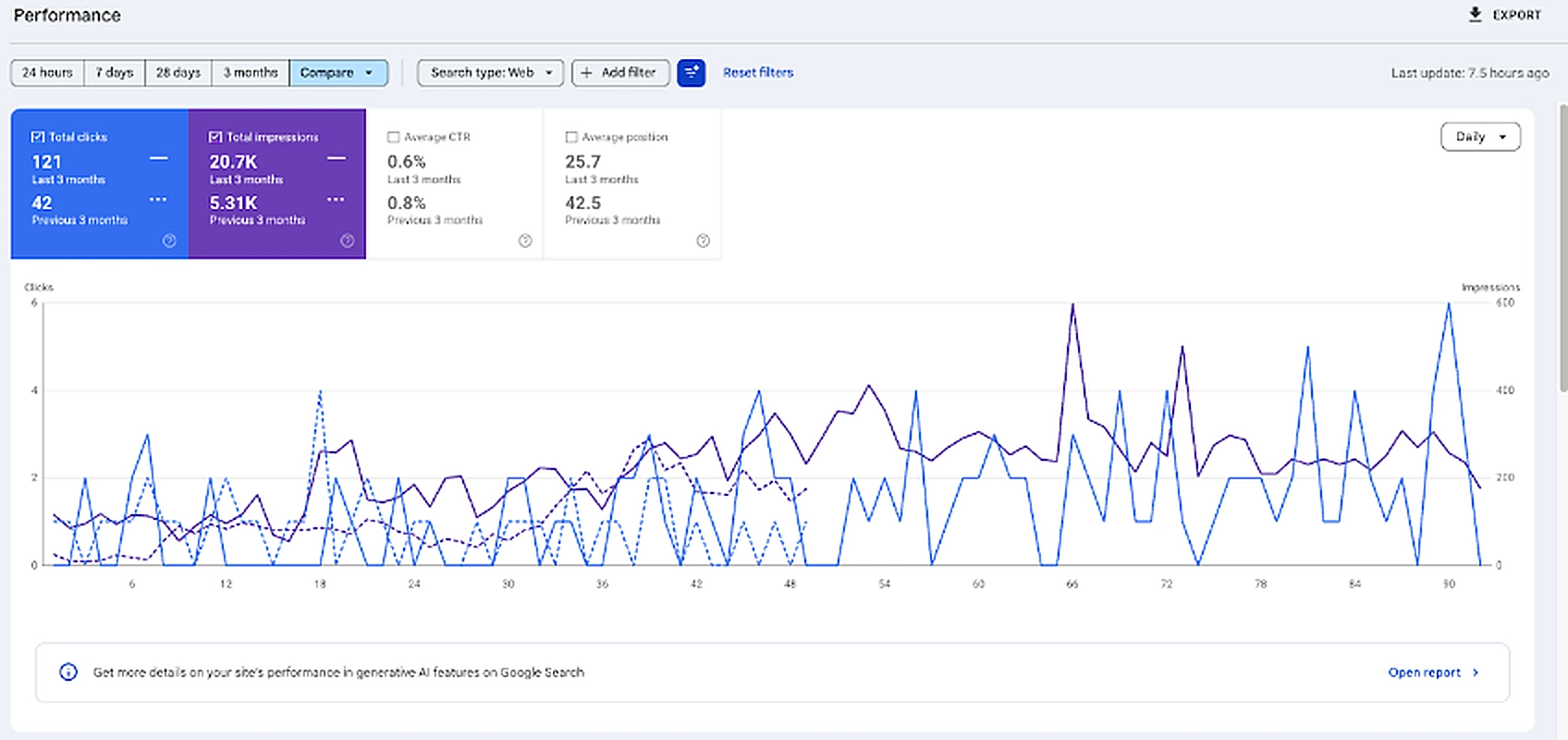
Figure 2: Google Search Console comparative report (Last 3 Months vs. Previous 3 Months).
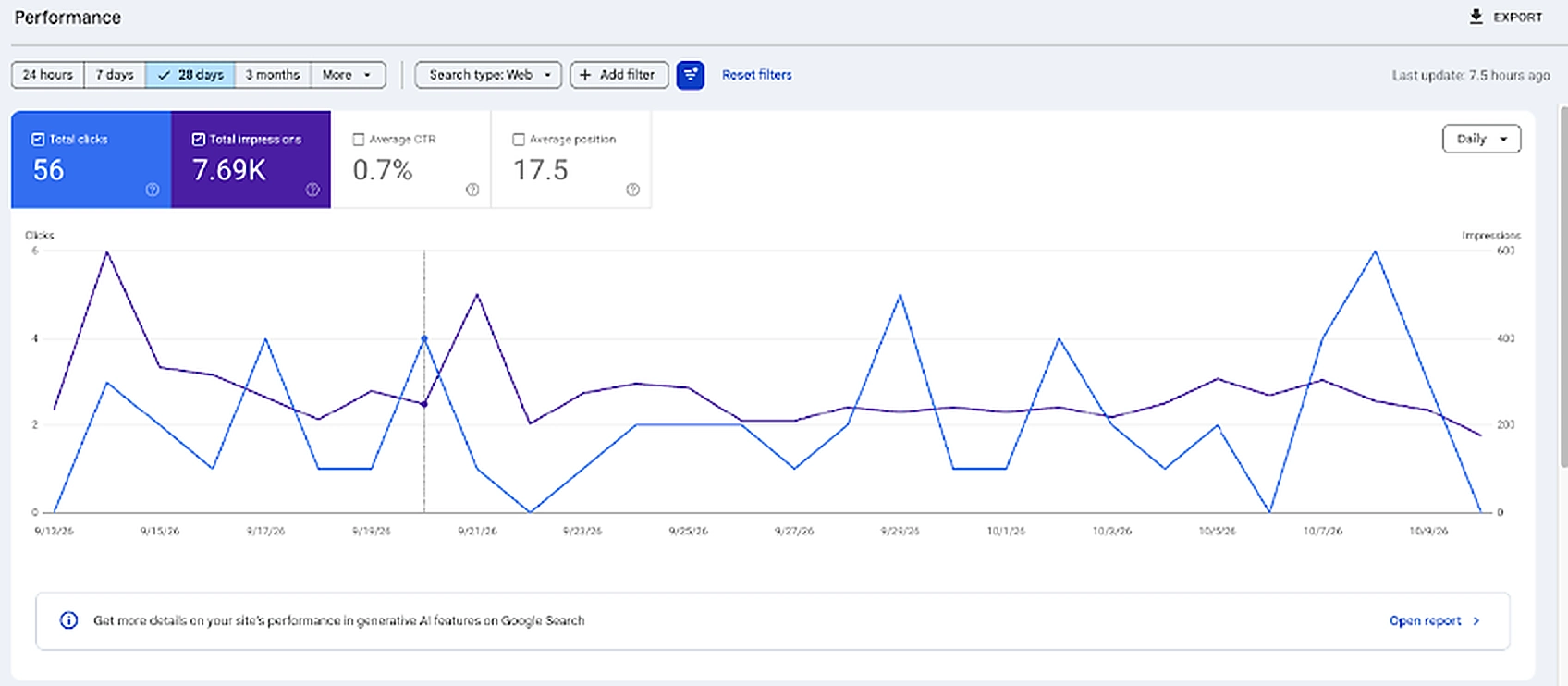
Figure 3: Latest 28-day performance trajectory showing sustained climb to position 17.5.
Average Click-Through Rate (CTR) adjusted from 0.8% to 0.6%. This is a natural algorithmic phenomenon: impressions expanded by nearly 300% across hundreds of new keywords that initially ranked on pages 2 and 3. Because very few searchers click past page one, rapid impression growth naturally depresses overall CTR until those terms break into the top five positions.
Did the growth follow the work?
The timing fits, but it doesn't prove cause. Changes like these take weeks to show in Google, because pages need re-crawling and rankings need time to settle. The three-month window begins about three weeks before the work started, other changes happened at the same time, and I can't separate the effect of the on-page work, the links and the FAQs.
Which pages and queries brought the traffic?
A granular review of Google Search Console data shows that our targeted EV charger clusters and commercial electrician services drove the highest impression share and qualified visibility:
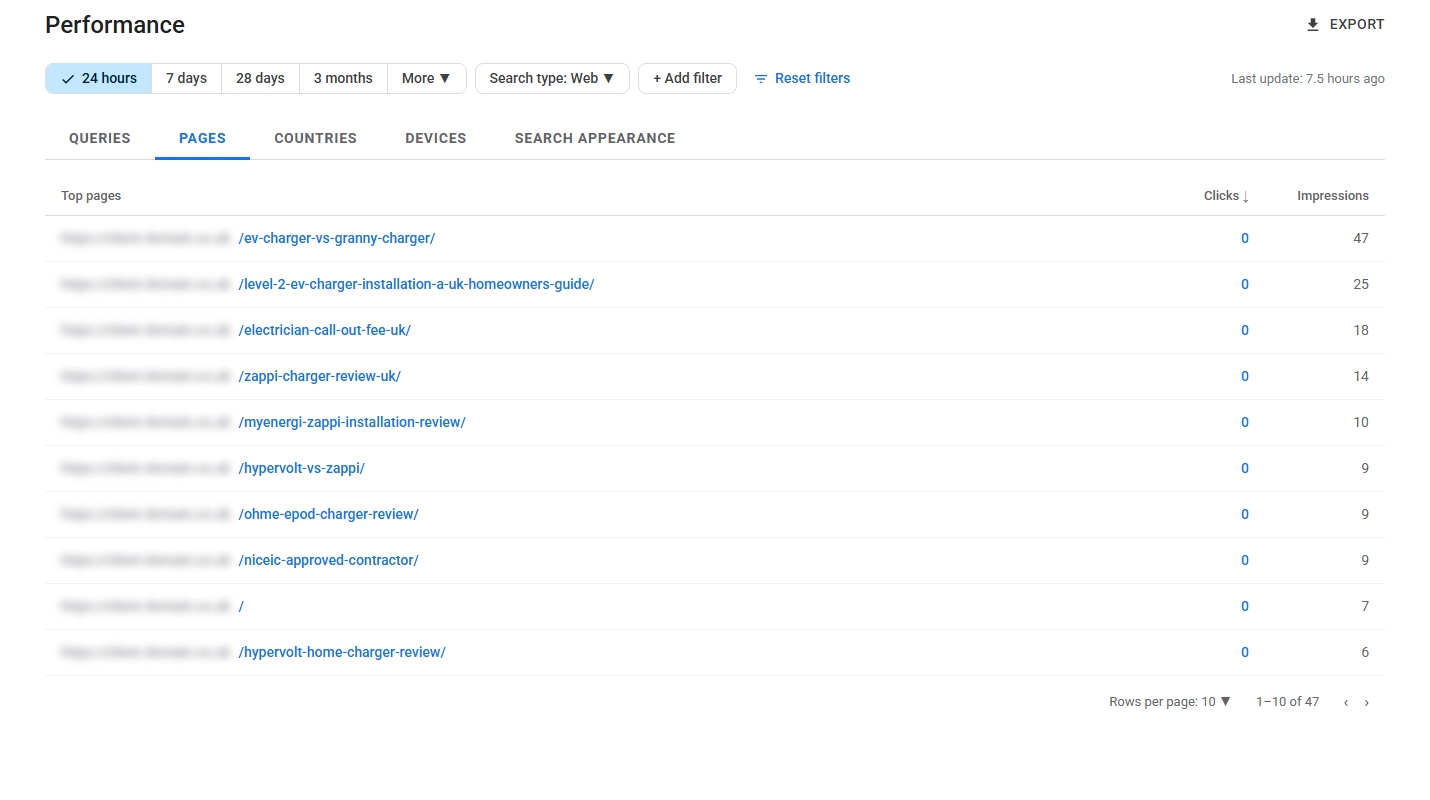
Figure 4: Top performing pages during the three-month measurement period.
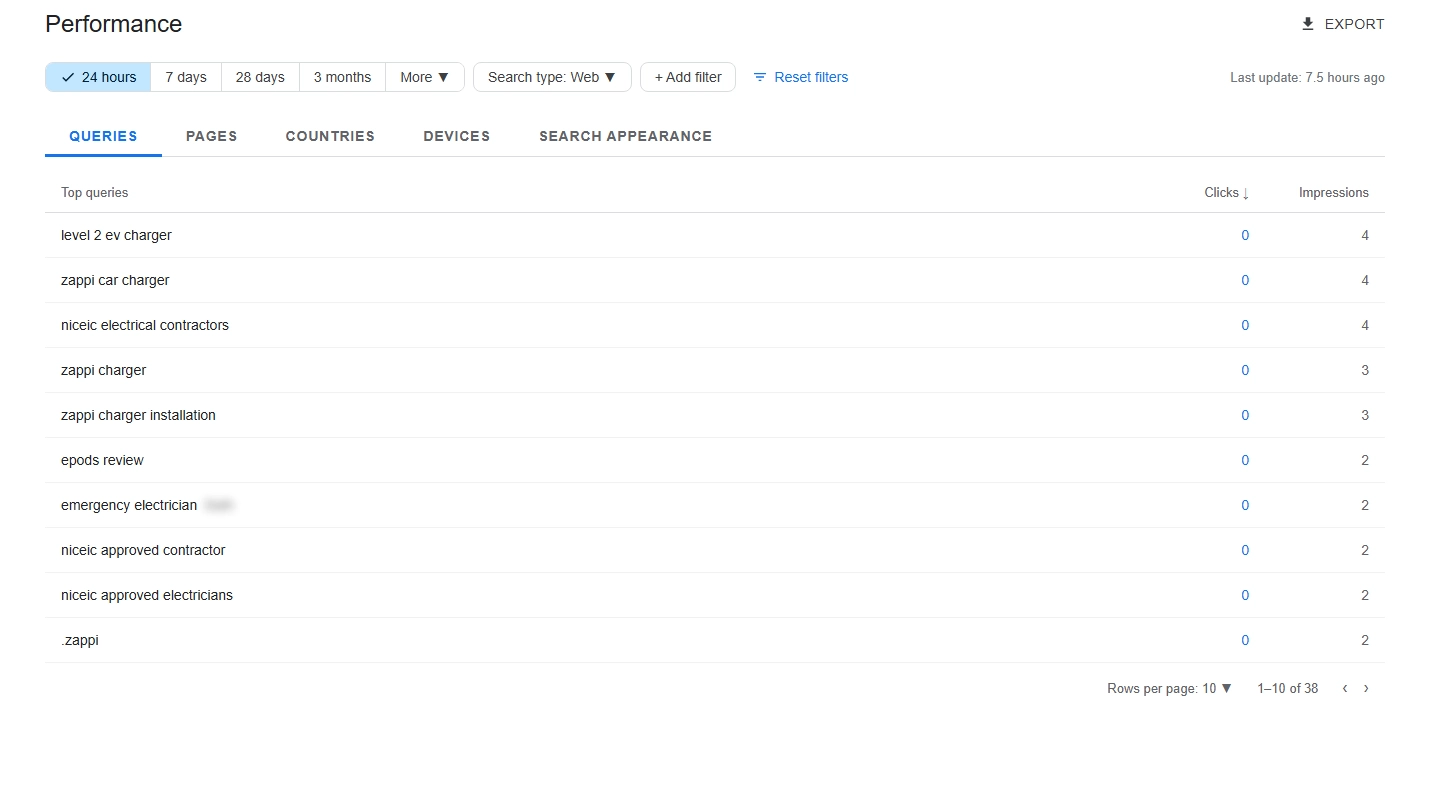
Figure 5: High-impression search queries during the three-month measurement period.
What would I do differently?
In future sprints, I would verify that every target location URL is confirmed active in the CMS before drafting localized FAQ content. Two of the seven planned location pages remained dormant redirects to the homepage, leaving those completed FAQ assets temporarily unutilized until the client establishes the respective landing hubs.
What happens next?
- Publish the remaining two localized location hubs and integrate their custom FAQ schema.
- Focus internal linking and supplemental entity depth on striking-distance queries currently hovering between positions 11 and 25 to push them onto Page 1.
- Expand the EV charging content cluster with brand comparisons (e.g., Ohme vs. Hypervolt) to capture surrounding commercial purchase intent.
Measurement Methodology & Boundaries
- Data Source: Google Search Console Performance Report (Search Type: Web).
- Small Numbers Context: 121 clicks across three months represents early-stage growth from an initial base of 42. Percentage gains reflect this initial baseline.
- Collaboration: 99 foundational backlinks and 10 citations were executed collaboratively by a dedicated link-building colleague.
- Commercial Realism: Search clicks do not automatically equal finalized revenue; they measure qualified organic discoverability and search intent capture.
- NDA Compliance: Client identity and proprietary website assets are strictly protected under mutual non-disclosure terms.
Want Me to Audit Your Website?
Let’s identify what is blocking your business from dominating local search results. Request a comprehensive, data-backed Technical & Local SEO audit today.